Hey there! As a supplier of antennas, I often get asked some pretty interesting questions. One of the most common ones is, "Can antennas be painted?" Well, let's dive right into this topic and find out.
First off, let's understand what antennas are and how they work. Antennas are devices that send and receive electromagnetic waves. They're used in a whole bunch of things, from your phone to your TV, and even in big - scale communication systems. The way an antenna functions depends on its physical structure, size, and the materials it's made of.
Now, the short answer to whether antennas can be painted is yes, they can. But, there are a few things you need to keep in mind. The main concern when painting an antenna is that the paint could potentially affect its performance. You see, antennas are designed to have specific electrical properties. The paint you use might change these properties if it's not the right kind.

If you use a conductive paint, it can actually alter the electrical conductivity of the antenna. Conductive paints contain metal particles like silver or copper, which can create a new conductive path on the antenna's surface. This might lead to changes in the antenna's impedance, which is a measure of how it resists the flow of electrical current. A change in impedance can cause the antenna to be less efficient at transmitting or receiving signals.
On the other hand, non - conductive paints are generally a safer bet. These paints don't have the metal particles that can mess with the antenna's electrical properties. They're usually made of polymers or other insulating materials. However, even non - conductive paints can cause problems if they're applied too thickly. A thick layer of paint can add extra mass to the antenna, which might change its resonance frequency. The resonance frequency is the frequency at which the antenna works most efficiently. If this frequency changes, the antenna won't perform as well as it should.
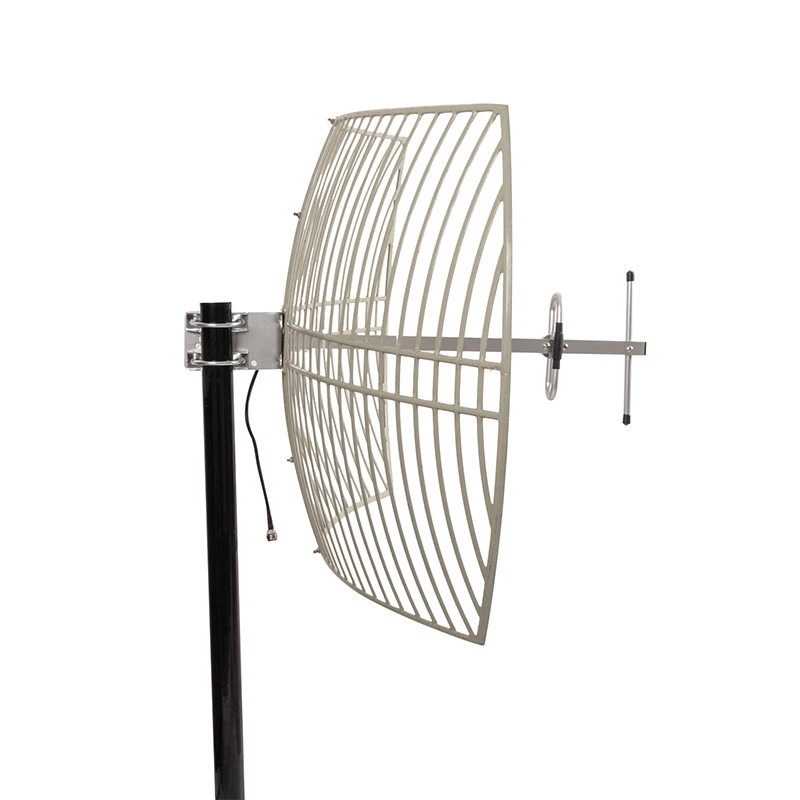
So, if you're thinking about painting an antenna, here are some tips. First, choose a high - quality, non - conductive paint. Look for paints that are designed for outdoor use if the antenna is going to be outside, as they'll be more resistant to weather conditions. Second, apply the paint in thin, even layers. You don't want to build up a thick coating that could affect the antenna's performance. And third, make sure the antenna is clean and dry before you start painting. Any dirt or moisture on the surface can prevent the paint from adhering properly.
Now, let's talk about some of the antennas we offer as a supplier. We have a great selection of Indoor Antenna For Rural Areas. These antennas are perfect for people living in rural areas where the signal strength might be a bit weak. They're designed to pick up signals from a wide range of directions, so you can get the best reception possible.
We also have 5G Indoor Antenna. With the increasing popularity of 5G technology, having a good indoor antenna is essential. These antennas are optimized for the 5G frequency bands, so you can enjoy fast and reliable internet speeds inside your home or office.
Another popular product is our High Gain Antenna. High gain antennas are great for boosting the signal strength. They're often used in areas where the signal is far away or blocked by obstacles. With a high gain antenna, you can get a stronger and more stable signal.
So, to sum it all up, antennas can be painted, but you need to be careful about the type of paint you use and how you apply it. If you have any questions about our antennas or need help choosing the right one for your needs, don't hesitate to reach out. We're here to help you make the best decision for your communication needs. Whether you're looking for an antenna for your home, office, or a large - scale project, we've got you covered.
If you're interested in purchasing any of our antennas or want to discuss your specific requirements, just drop us a line. We're always happy to have a chat and work out the best solution for you. We look forward to hearing from you and helping you with all your antenna needs.
References
- Balanis, C. A. (2016). Antenna Theory: Analysis and Design. Wiley.
- Stutzman, W. L., & Thiele, G. A. (2012). Antenna Theory and Design. Wiley.